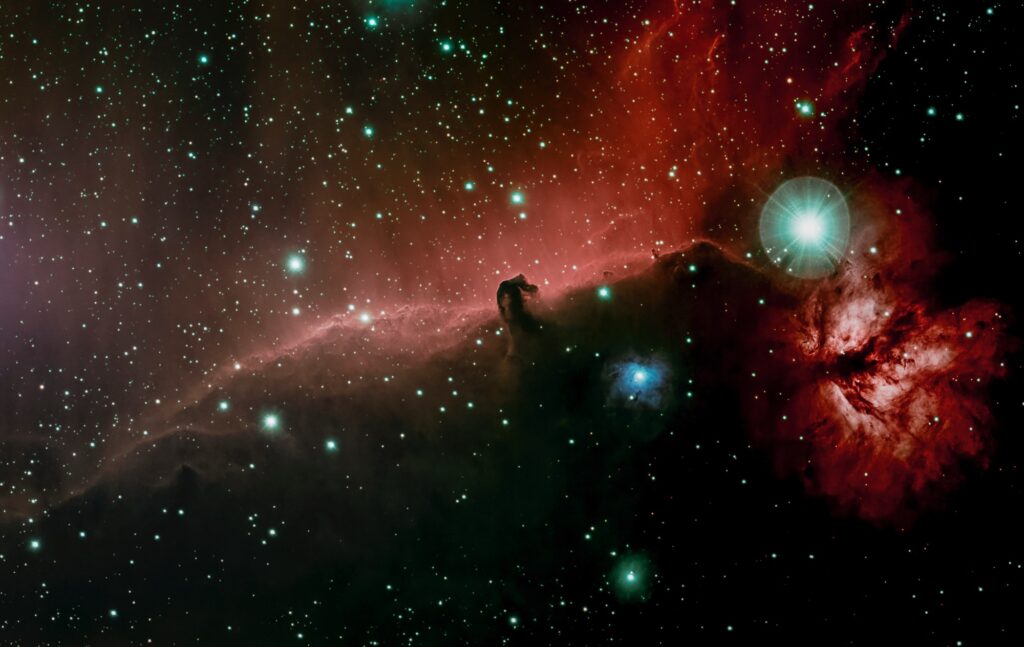
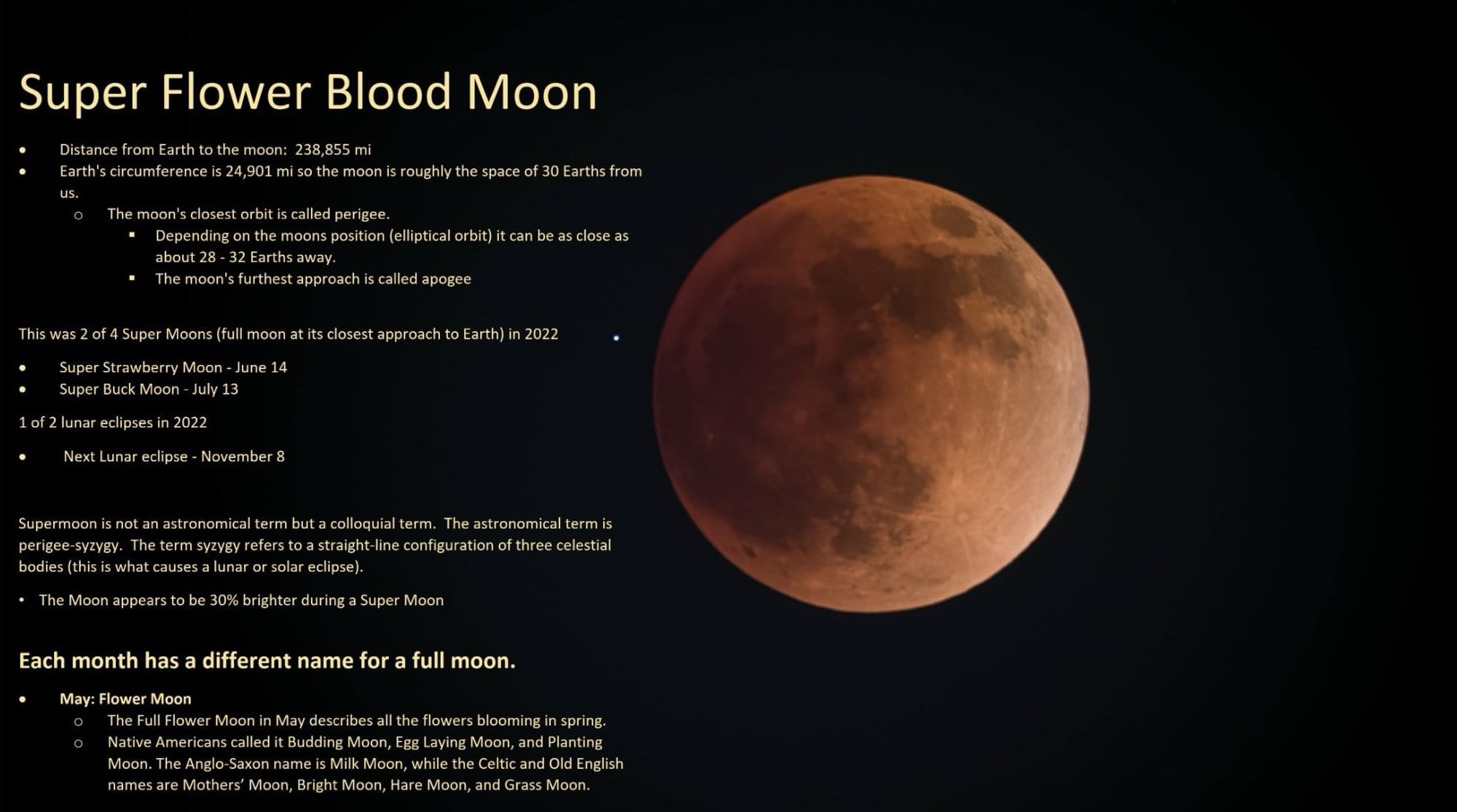
Astrophotography
Intro to us
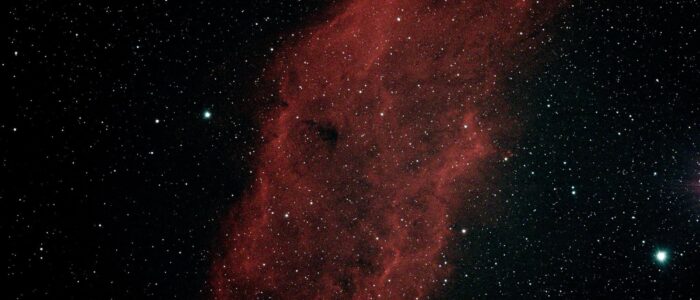
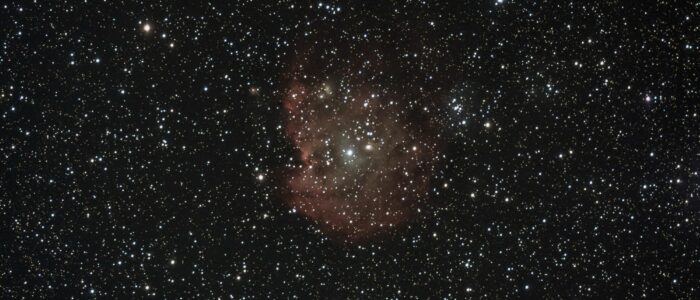
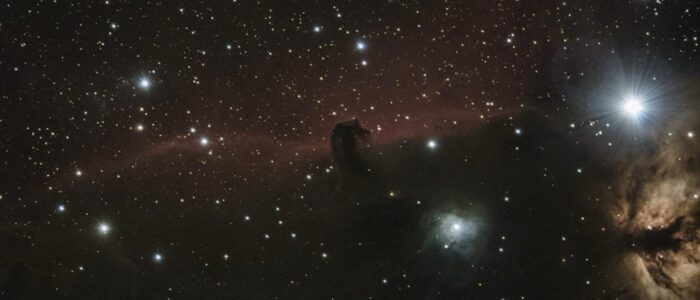
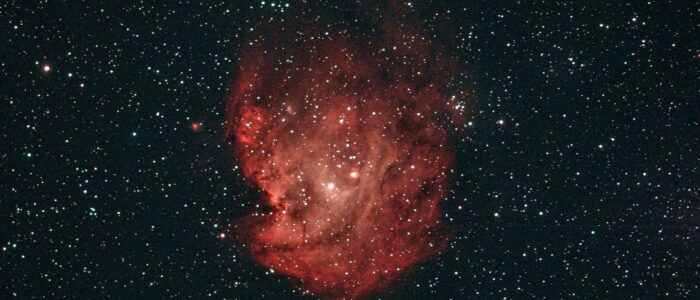
We have an Exploradome observatory out in our pasture, which is a fancy way of saying we built a whole astronomy setup in a place where the weather does not always cooperate. Montgomery is great for a lot of things, but astrophotography is not exactly one of those hobbies that gets rewarded every night. Some years you get a handful of really good nights and learn to treat them like rare wildlife sightings.
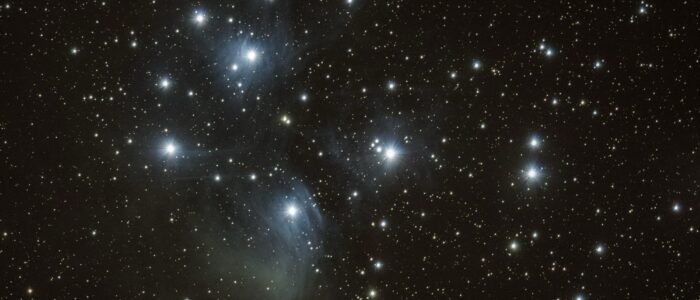
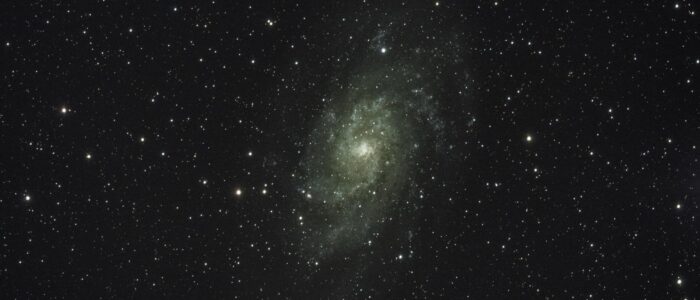
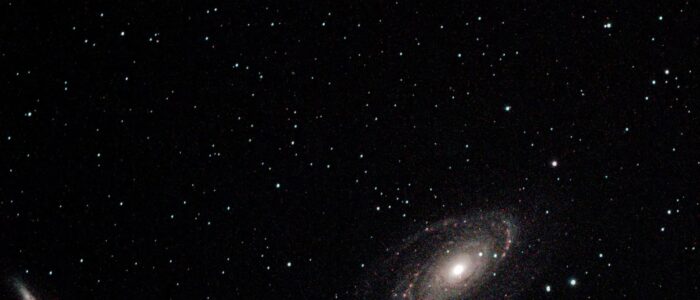
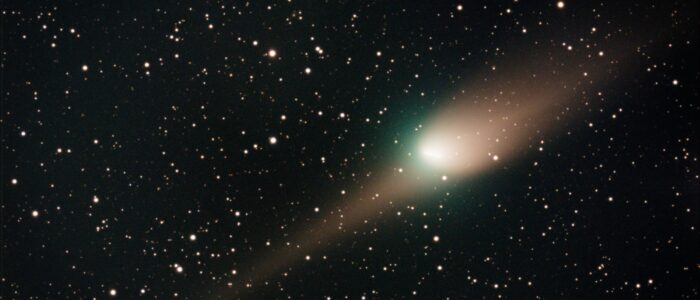
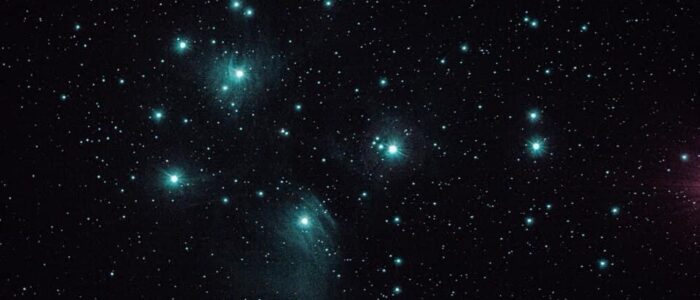
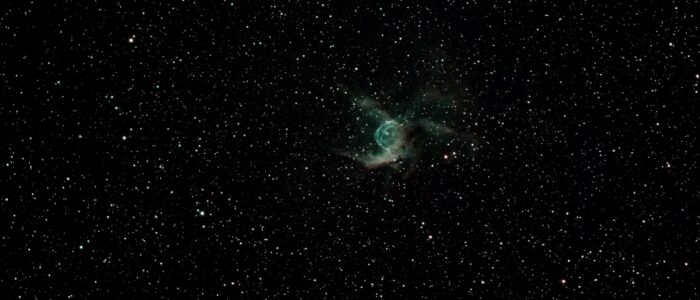
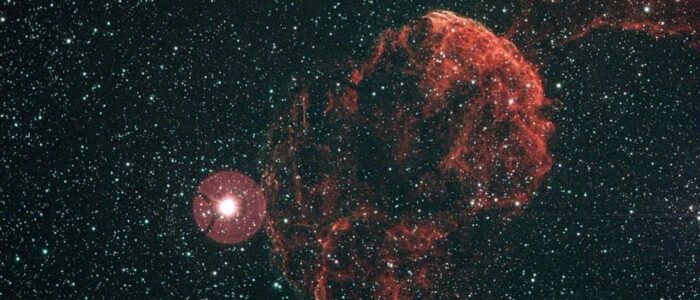
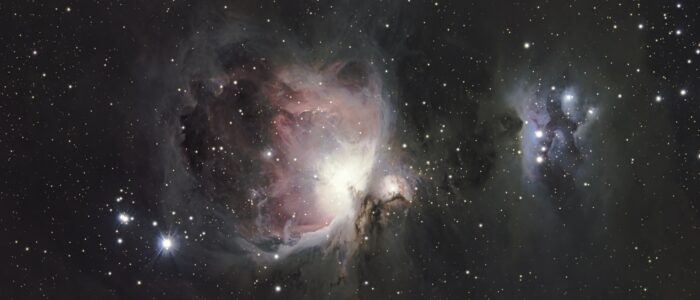
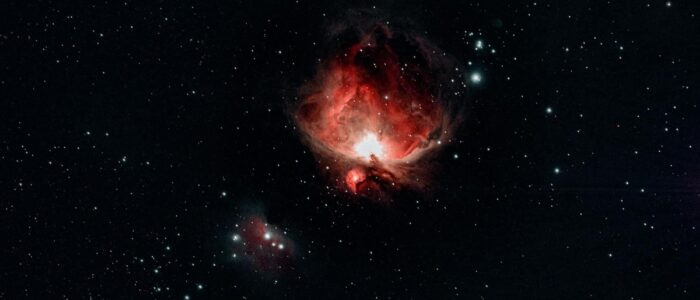
Even so, we hope the images we capture here inspire others to look up and appreciate what can still be seen from home, even in an area that is no longer really a dark-sky zone. We have definitely drifted toward suburban sky brightness over the years, and the stars have had to compete with the glow of development, but that makes good images even more satisfying.
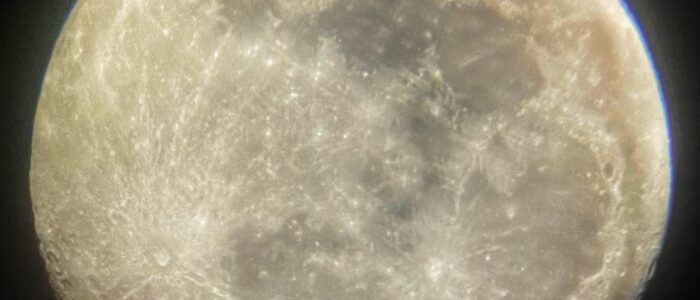
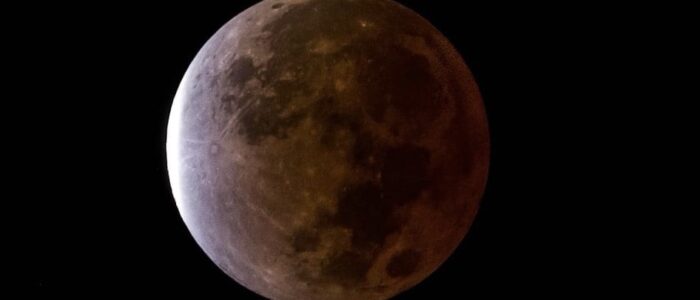
This hobby also has a learning curve that is, frankly, a little rude. There is a lot to learn, from calibration and focusing to tracking, processing, and all the other things that somehow work perfectly for other people on YouTube. Local help can be hard to find, and the few places in Houston that still service this kind of equipment are often backed up. Compared with 3D printing, astrophotography may be even more niche, which is saying something. Most people in the hobby are also wonderfully introverted, so naturally the support network sometimes feels like a collection of brilliant people who all disappeared at the same time. Introverts do, however, seem to excel at every hobby except scheduling a group meeting. We could probably fix the world as most of us seem to be altruistic more often than not, but we just can’t get damn meeting scheduled. If anyone else is running the introvert calendar please keep me in the loop.
Dark-sky ratings
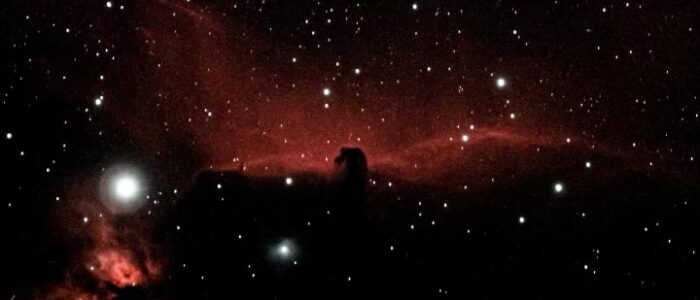
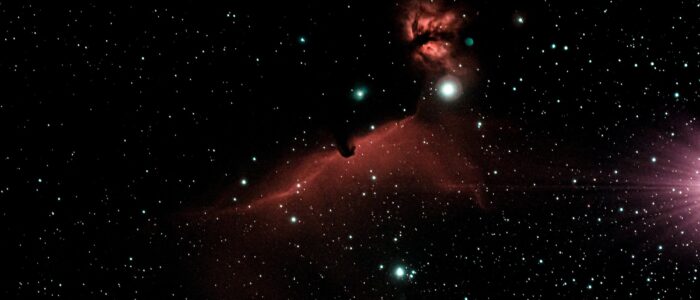
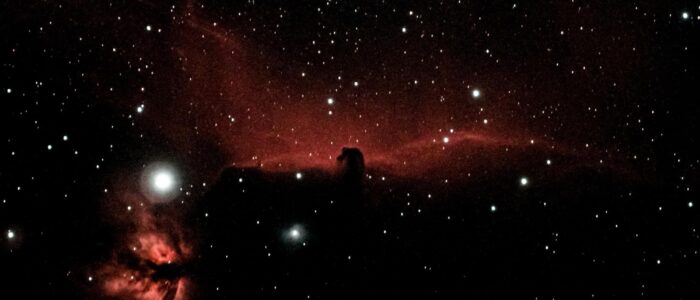
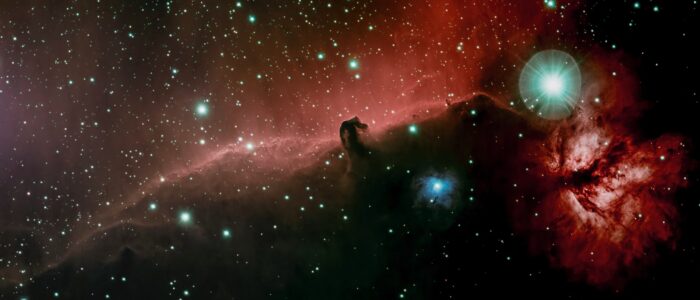
Astronomers often use the Bortle Scale, which was introduced in 2001, to describe night-sky darkness. It runs from Class 1, the darkest natural skies, to Class 9, the brightest inner-city skies. Class 1 and 2 skies are ideal for seeing the Milky Way and faint deep-sky objects, Class 3 and 4 are still very good rural skies, Class 5 and 6 are suburban skies with noticeable skyglow, and Class 7 through 9 are increasingly bright urban skies where fewer stars are visible.
When I moved here in 1989, I would have estimated the sky around a Class 2 or 3. In high school, you could still see many celestial events and far more stars than you can now, though there was already a faint glow from the direction of Conroe. By the early 2000s, I would say we were already closer to Class 3 or 4. Today, I would put us firmly at Class 6, and possibly edging toward 7 as development continues. My husband who is more the expert say we are will a 4 pushing 5. I can’t find a source to substantiate that so I just did a run of Montgomery but they are probably going off downtown Is there anywhere that that can actually be verified
Please do what you can, even in your own neighborhood, to keep us from sliding further into Classes 8 and 9. I hope the images taken right here in town help show that good astrophotography is still possible and that preserving the night sky matters for future generations who may not have the option of traveling to a dedicated dark-sky park.
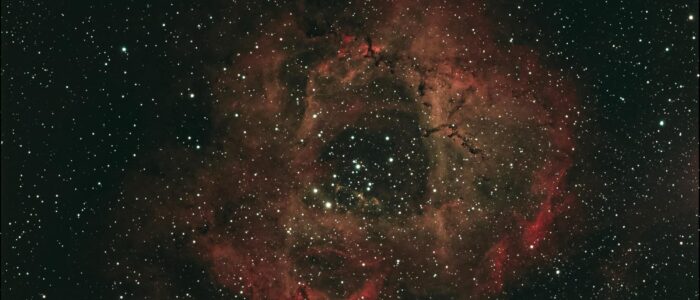
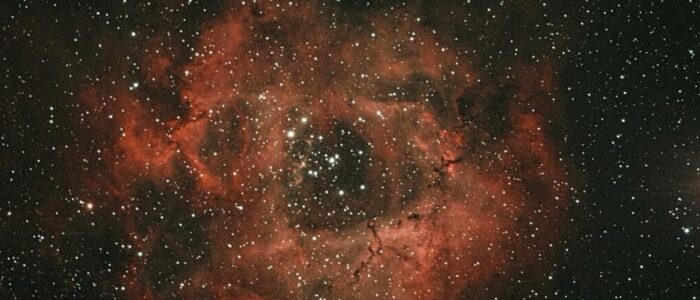
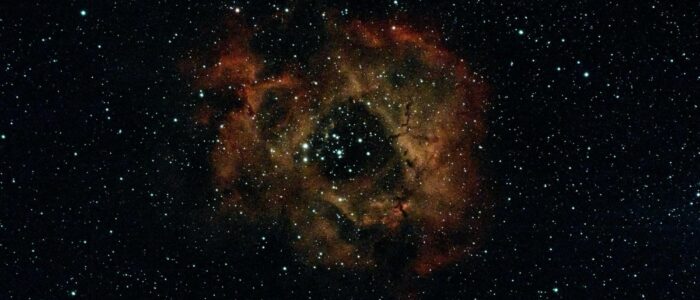
If you want to go see the milky way in person (only certain seasons) with your naked eye go to:
Big Bend skies
If you want to see the Milky Way with your naked eye, Big Bend National Park is one of the best places in Texas to do it. It has some of the darkest skies in the state and among the least light pollution in the lower 48 states. That darkness makes it an outstanding destination for astrophotography, especially during the right seasons.
Big Bend also has a second bonus: while you are there for the night sky, you can also do excellent wildlife photography. Birds, desert animals, and wide-open landscapes make it a two-for-one destination for photographers.
Light pollution matters
Light pollution does more than wash out the stars. It wastes energy, creates glare, and can interfere with wildlife movement and human sleep. One of the easiest fixes is to use shielded, downward-facing lights so illumination goes where it is needed instead of spilling upward into the sky. Timers, motion sensors, and warmer bulbs in the 2700K to 3000K range also help reduce glare and protect migrating birds and nocturnal animals.
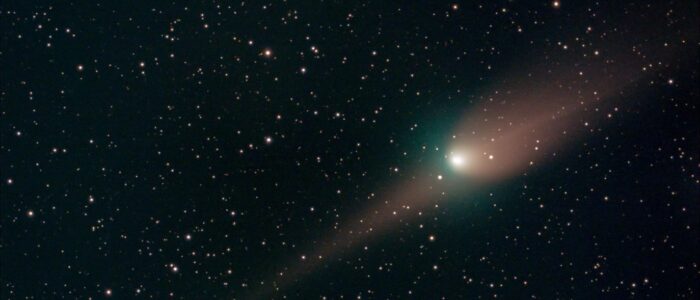
People can also help by getting involved locally. Support dark-sky language in neighborhood bylaws, HOA rules, city ordinances, and county development standards. Ask for fully shielded fixtures, limits on brightness, curfews for unnecessary overnight lighting, and sensible rules for parking lots, sports fields, and commercial signs. If lighting problems already exist, report them to your city code enforcement office, county officials where applicable, or the local utility if a public fixture is involved. The more neighbors, photographers, and conservation-minded residents speak up, the more likely it is that dark-sky protection gets written into policy instead of just discussed at meetings that could have been emails.
Construction details
If anyone is really interested in the construction and how we put this thing together, let me know and I can expand the page with more technical details.